Post Surgery Home Care: A Compassionate Guide to Healing at Home

October 20, 2025
Recovering from surgery is often both a relief and a challenge. Leaving the hospital means progress — but it also marks the beginning of a new phase: healing at home. That’s where post surgery home care becomes vital.

At home, small details make a big difference. From creating a safe space to managing medications and meals, every choice impacts how well and how fast the body heals. Whether you are planning for your recovery or helping a loved one, knowing what to expect is important. It helps ensure healing happens safely and comfortably. In any case, you may need the support of compassionate home care for seniors and families.

Key Takeaways


  • Preparation is key: Set up a safe, restful environment before returning home.

  • Follow medical instructions: Take medications and manage wound care as prescribed.

  • Eat and hydrate well: Proper nutrition supports tissue repair and immunity.

  • Move gradually: Gentle activity improves circulation and prevents stiffness.

  • Prioritize emotional well-being: Patience, rest, and support ease the healing process.

  • Ask for help when needed: Don’t hesitate to seek assistance from family, friends, or professionals.

Why Home Care Matters After Surgery


Once you leave the hospital, you no longer have 24-hour medical supervision. Instead, you or your caregivers must manage pain, nutrition, hygiene, and follow-up routines independently.


This period is crucial because what happens at home often determines how smoothly recovery progresses. Proper postoperative home care helps prevent infections, ensures wounds heal properly, and supports overall comfort.


A good home care plan helps lower hospital readmissions. It lets patients recover where they feel most comfortable: at home.


Preparing Your Home for Recovery


A few simple preparations can make your home safer and more comfortable after surgery.


1. Choose a Safe and Accessible Space

Set up a recovery area on the main floor if possible, especially if you have stairs. Keep essentials like medication, water, tissues, and your phone nearby.


2. Clear Pathways

Remove clutter, loose rugs, and cords. Adequate lighting — especially at night — prevents falls.


3. Stock Essentials

Have enough supplies like bandages, hand sanitizer, and clean linens ready before discharge. Stock easy-to-heat meals and plenty of fluids.


4. Arrange Support

Ask a family member or friend to stay with you, at least during the first few days. Having someone nearby for assistance provides both safety and peace of mind.


Managing Pain and Medication

Pain management is one of the most important aspects of post surgery home care. Uncontrolled pain can slow recovery, disrupt sleep, and affect mood.


  • Stick to your medication schedule. Take prescribed doses on time.

  • Avoid mixing medications without consulting your doctor.

  • Monitor for side effects like nausea or dizziness.

  • Use non-drug comfort methods — such as positioning pillows or relaxation breathing — to help ease discomfort.

Keep a written record of what you take and when. If managing multiple prescriptions feels difficult, a caregiver or family member can help track doses and monitor reactions.

Healing Through Nutrition and Hydration


The body needs extra nourishment after surgery to rebuild tissues and strengthen immunity.


  • Protein (fish, eggs, beans, tofu) supports wound healing.

  • Vitamins C and A (citrus fruits, carrots, leafy greens) boost immune response.

  • Zinc and iron (nuts, red meat, lentils) aid cell repair and energy.

  • Water keeps tissues hydrated and supports digestion.

Aim for balanced, smaller meals throughout the day and drink plenty of fluids unless your doctor advises otherwise.


Gentle Movement and Physical Recovery


While rest is important, light activity helps prevent stiffness and improves circulation. Doctors often recommend short, slow walks or guided physical therapy within days of surgery.


  • Follow your provider’s timeline — don’t rush.

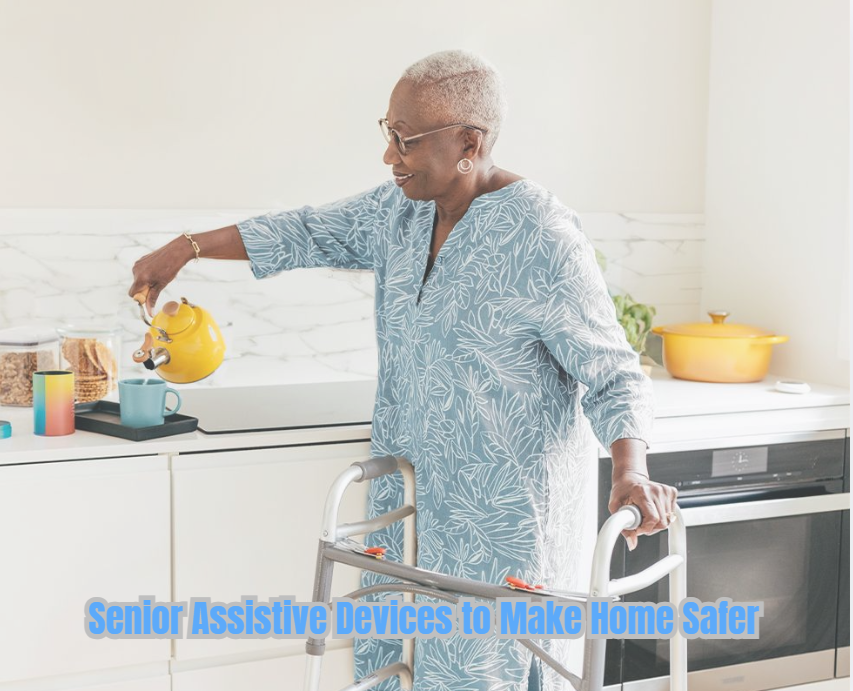
  • Use mobility aids like walkers or handrails if needed.

  • Avoid lifting, bending, or stretching beyond comfort.

  • Rest when you’re tired — healing requires energy.

Each person’s progress looks different. Listen to your body and pace your recovery accordingly.


Emotional and Mental Recovery


Healing after surgery isn’t only physical. The sudden change in mobility, daily routine, and independence can affect emotional health too.

Some patients feel frustration, restlessness, or loneliness — especially if recovery lasts several weeks. Try to:


  • Stay in touch with loved ones through calls or visits.

  • Keep a journal to track progress and gratitude.

  • Include calming routines like reading or listening to music.

  • Seek counseling if you feel anxious or depressed.

Emotional care is as vital as wound care. A calm, supportive environment helps the body heal faster.


When to Call Your Doctor

Even with the best care, complications can occur. Contact your healthcare provider if you experience:

  • A fever over 101°F (38.3°C)

  • Increasing pain, swelling, or redness around the incision

  • Foul-smelling or excessive drainage

  • Shortness of breath or chest pain

  • Persistent vomiting or dizziness

Don’t wait until symptoms worsen. Early communication prevents more serious complications.


When to Consider Professional Home Care Support


Sometimes, recovery requires more help than family can provide — especially after major surgery or for patients with mobility challenges. In these cases, professional home caregivers can make recovery smoother and safer.


They can assist with personal hygiene, medication reminders, light housekeeping, and meal preparation. Having trained support allows patients to rest fully while still maintaining comfort and dignity at home.


If you or someone you know needs short-term help at home, Angelic Home Care Solutions can help. We offer personalized care plans for seniors and families. We help patients move from the hospital to home with confidence. Their caregivers provide reliable, gentle support that complements medical guidance and family care alike.


Practical Tips for a Smooth Recovery


  • Keep a symptom and medication log.

  • Use alarms for timely doses.

  • Avoid smoking and alcohol.

  • Attend all follow-up appointments.

  • Ask questions — clarity prevents mistakes.

Recovery is not a race. Progress happens day by day — often in small, encouraging steps.


Final Thoughts: Healing With Patience and Support


Post-surgery home care involves more than just medical routines. It is about making a healing space. This space should support rest, good nutrition, and emotional comfort. With the right preparation and support, recovery can be safe, calm, and empowering.


For those who need extra help during this time, Angelic Home Care Solutions can provide trained caregivers who assist with daily tasks and offer peace of mind for families. Healing at home is never easy, but it becomes much more manageable when the right support is in place.

  • How long does post surgery home care last?

    It depends on the surgery type and your overall health. Some recover within days, while others need several weeks of support.


  • Can I care for myself after surgery?

    That depends on mobility and strength. If your surgery affects movement or balance, consider arranging temporary in-home assistance.


  • What’s the biggest mistake people make after surgery?

    Doing too much too soon. Follow your doctor’s instructions closely and rest as needed.


  • How can I prevent infection at home?

    Keep the wound clean, wash hands before touching dressings, and monitor for redness or swelling.


  • What should I do if I feel anxious or down after surgery?

    It’s normal to feel this way. Reach out to loved ones, practice relaxation techniques, or speak with a counselor for support.

Frequently Asked Questions About Post Surgery Home Care

April 1, 2026
On March 24, 2026, the Maryland Office of Health Care Quality reissued critical guidance that directly impacts how healthcare professionals manage discharge planning for vulnerable adults across Maryland. While the core principles of discharge planning are not new, this updated transmittal reinforces a non-negotiable standard that has significant implications for hospitals, nursing homes, home health providers, and referral partners: Verification of licensing is mandatory—not optional. This update is not just regulatory housekeeping. It is a clear directive to strengthen patient safety, reduce risk, and ensure that every post-discharge placement is both appropriate and legally compliant. A Brief Look Back: The Foundation of Discharge Planning For decades, Maryland providers have operated under established discharge planning requirements, including: Assessing patient needs prior to discharge Coordinating post-acute services Ensuring continuity of care Providing proper documentation and instructions Regulations such as COMAR 10.07.01.27 and federal requirements under 42 C.F.R. § 482.43 have long required providers to arrange or assist in arranging appropriate care after discharge. However, this new transmittal highlights a gap that has too often been overlooked: The assumption that receiving providers are properly licensed and qualified. What the New OHCQ Transmittal Requires The updated guidance makes expectations unmistakably clear across multiple care settings: 1. HOSPITALS Discharge planners must: Verify that any assisted living program (ALP), home health agency (HHA), or residential service agency (RSA) is actively licensed Ensure the provider can meet the specific needs outlined in the discharge plan Maintain accountability for safe and appropriate placement 2. NURSING HOMES Social workers and discharge planners are required to: Confirm that transfers are made only to licensed assisted living facilities Ensure the placement is appropriate for the resident’s clinical and functional needs 3. HOME HEALTH & RESIDENTIAL SERVICE AGENCIES Discharge teams must: Verify licensure of HHAs and RSAs before initiating services Align services with the patient’s care requirements, particularly for ADLs and ongoing supervision 4. ASSISTED LIVING REFERRERS All referrers must: Be registered with OHCQ Only refer individuals to licensed assisted living programs A Critical Risk Area: Unlicensed Placements One of the most important aspects of this transmittal is the emphasis on identifying and preventing unlicensed assisted living operations. OHCQ defines these as settings that: House two or more residents Provide supervision, personal care, or health-related services Serve individuals needing assistance with activities of daily living Operate without proper licensure These environments place vulnerable individuals at significant risk—particularly those requiring 24/7 care. Healthcare professionals are now strongly encouraged to: Remain vigilant when evaluating placement options Report suspected unlicensed facilities Utilize the official OHCQ Licensee Directory to confirm compliance Failure to comply with these requirements may result in enforcement actions, including civil monetary penalties. What This Means for Patients and Families For patients and families, this transmittal is ultimately about one thing: Protection. Transitions of care are one of the most fragile points in the healthcare journey. When discharge planning is rushed, incomplete, or based on assumptions, the consequences can include: Hospital readmissions Medication errors Inadequate care Unsafe living environments This updated guidance ensures that families can expect: Greater transparency in placement decisions Safer, verified care environments Stronger coordination between providers Why This Matters When Choosing a Home Care Provider For healthcare professionals, this transmittal reinforces the importance of partnering with agencies that are: - Fully licensed and compliant - Transparent in their credentials - Responsive to communication and care coordination - Aligned with both state and federal regulations - Why Angelic Home Care Solutions Should Be Your Go-To Partner At Angelic Home Care Solutions, we don’t just meet these expectations—we build our entire model around them. 1. Verified Licensing and Full Compliance We are a fully licensed Residential Service Agency (RSA) operating in the following Maryland counties, with strict adherence to OHCQ standards and regulatory requirements: - Prince George's County - Howard County - Anne Arundel County - Montgomery County - Charles County - Baltimore County 2. Rigorous Hiring and Background Checks Every caregiver undergoes a detailed screening process, including background checks through CJIS, ensuring qualified and trustworthy professionals are placed in clients’ homes. 3. Accountability and Immediate Response to Concerns We maintain a zero-tolerance policy for unresolved concerns. Any issue raised by a family, provider, or team member is promptly investigated and addressed. 4. Seamless Discharge Coordination We work directly with: Hospital discharge planners Nursing home teams Case managers and social workers To ensure every transition is s mooth, d ocumented, and a ligned with the patient’s care plan. 5. Safe, Personalized In-Home Care For many patients, home is the safest and most comfortable setting. We provide: Assistance with ADLs Medication reminders Companionship and supervision Flexible care plans tailored to individual needs Final Thoughts: Raising the Standard of Care The March 24, 2026 OHCQ transmittal is more than a regulatory reminder—it is a call to elevate standards across the continuum of care. Verification, accountability, and patient safety are no longer areas for interpretation. They are expectations. For healthcare professionals, this means choosing partners who are not only capable—but compliant. For families, it means asking better questions and expecting better answers. Partner With Confidence If you are a discharge planner, healthcare provider, or family member seeking a licensed, reliable, and highly responsive home care partner in Maryland… Angelic Home Care Solutions is here to support you. Because safe transitions don’t happen by chance— they happen through the right partnerships.
March 2, 2026
For most older adults, remaining at home is not just a preference — it is a deeply held goal tied to independence, dignity, and emotional well-being. Aging in place allows seniors to stay in familiar surroundings while receiving the support they need as their health and mobility change. According to AARP research, the vast majority of adults over 50 want to remain in their homes long-term. However, doing so safely often requires thoughtful planning, home modifications, and professional in-home care. Angelic Home Care Solutions proudly helps families throughout Maryland make aging in place not only possible, but sustainable and reassuring. What Does Aging in Place Mean? Aging in place refers to the ability to live safely and independently in one’s own home, regardless of age, income, or ability level. This approach emphasizes personalized support, environmental safety, and services that adapt as needs evolve. Benefits of aging in place include: Greater independence and autonomy Familiar surroundings that reduce anxiety and confusion Stronger emotional well-being Lower exposure to infections compared to institutional settings Continued connection to community, neighbors, and family Personalized, one-on-one care With the right support system, many seniors can remain at home far longer than families initially expect. Essential Home Modifications for Senior Safety As balance, strength, vision, or cognition change, everyday tasks can present fall risks or hazards. Strategic home adjustments significantly improve safety and accessibility. Bathroom Safety Improvements Bathrooms are one of the most common locations for falls. Recommended upgrades include: Grab bars near the toilet and inside the shower Raised toilet seats for easier transfers Shower chairs or transfer benches Hand-held shower heads Non-slip mats or flooring Walk-in or low-threshold showers Bedroom Accessibility Supports A safe bedroom environment promotes rest and reduces nighttime fall risk. Helpful additions include: Adjustable beds Bed rails for stability Night lights or motion-activated lighting Over-bed tables for convenience Waterproof mattress protection Mobility & Fall Prevention Equipment Maintaining safe mobility is critical for independence. Common solutions include: Canes, walkers, or rollators Wheelchairs or motorized scooters Lift chairs to assist with standing Ramps for entryways Stair lifts for multi-level homes Secure railings along staircases Kitchen & Daily Living Aids Adaptive tools help seniors continue preparing meals and performing household tasks safely. Consider: Easy-grip utensils and cookware Jar openers and adaptive kitchen tools Automatic shut-off devices for appliances Lightweight dishes and spill-resistant dinnerware Personal Safety & Emergency Systems Technology can provide an extra layer of protection, especially for seniors living alone. Important safety devices include: Wearable medical alert systems Fall detection monitors Medication reminder systems or automated dispensers Large-button or voice-activated phones Signs Your Loved One May Need In-Home Care Even with safety modifications, seniors may begin to struggle with Activities of Daily Living (ADLs). Early support can prevent accidents, hospitalizations, and caregiver burnout. Watch for signs such as: Frequent falls or mobility difficulties Missed medications or confusion about prescriptions Poor hygiene or difficulty bathing Unintentional weight loss or spoiled food in the home Increasing forgetfulness or wandering Social withdrawal or loneliness Difficulty managing household tasks If you notice these changes, professional in-home care can make a meaningful difference. How In-Home Care Supports Aging in Place Professional caregivers provide hands-on assistance while preserving independence and dignity. At Angelic Home Care Solutions, care plans are customized to each client’s needs, preferences, and health conditions. Our services may include: Personal Care Assistance Bathing, grooming, and dressing Toileting and incontinence support Mobility and transfer assistance Household Support Light housekeeping Laundry and linen changes Meal planning and preparation Health & Safety Monitoring Medication reminders Observation for changes in condition Coordination with family members Transportation & Errands Medical appointments Grocery shopping Pharmacy visits Community outings Companionship & Emotional Support Conversation and engagement Cognitive stimulation Assistance with hobbies and activities Reducing isolation and loneliness Respite Care for Family Caregivers Temporary relief for family members Flexible hourly or live-in options Peace of mind during work or travel Why Families in Maryland Choose Angelic Home Care Solutions Families trust Angelic Home Care Solutions because we combine professional expertise with genuine compassion. Our caregivers are carefully screened, trained, and matched to each client to ensure continuity and comfort. We are committed to: Client-centered care plans Reliable, consistent staffing Respect for cultural preferences and routines Clear communication with families Flexible scheduling, including 24/7 care Our mission is simple: help seniors live safely, comfortably, and joyfully at home. Peace of Mind Starts with a Conversation Aging in place does not have to be overwhelming. With the right combination of home modifications, supportive technology, and professional care, your loved one can continue living where they feel most secure. If you are concerned about a parent or family member living alone, early planning can prevent emergencies and improve long-term outcomes. Angelic Home Care Solutions is here to help you navigate every step with confidence and compassion. Frequently Asked Questions About Aging in Place How do I know if my parent can safely live alone? A professional in-home assessment can evaluate mobility, cognition, fall risk, and daily functioning. Is in-home care more affordable than assisted living? For many families — especially those needing part-time support — in-home care can be significantly more cost-effective while allowing seniors to remain at home. Can care be increased over time? Yes. Services are flexible and can evolve as needs change. Serving Families Across Maryland Angelic Home Care Solutions proudly supports seniors and families throughout Maryland with dependable, compassionate in-home care designed to make aging in place safe and successful.
January 24, 2026
Why In-Home Care Is Not Only More Desirable—It Can Be More Affordable and Health-Supporting Too For decades, the default assumption in senior care has been simple: when aging becomes difficult, a facility is the safest and most practical option. Assisted living and nursing homes have long been positioned as the inevitable next step. But that assumption deserves a closer look. A growing body of research, combined with real-world family experience, is challenging the idea that institutional care is the most affordable or healthiest solution. In fact, for many seniors, in-home care and aging in place are proving to be the option that best supports health, longevity, dignity—and finances. The Desire to Stay Home Is Overwhelming Recent surveys consistently show that over 90% of older adults want to remain in their own homes as they age. This preference isn’t simply emotional—it’s deeply tied to outcomes. Familiar environments reduce stress, support memory retention, and help seniors maintain routines that reinforce independence. When seniors are moved into unfamiliar settings, especially those with cognitive vulnerability, we often see increased confusion, anxiety, sleep disruption, and behavioral changes. Home, by contrast, offers continuity—and continuity matters. The Cost Myth: Facilities vs. Flexible Care One of the most persistent myths is that in-home care is inherently more expensive. In reality, institutional care often comes with bundled, all-inclusive pricing, meaning families pay for services regardless of whether they are used. In-home care works differently. Care is scalable and needs-based. Families can start with part-time support—help with meals, safety supervision, medication reminders, or companionship—and increase care only as needs evolve. This flexibility often allows families to manage costs more strategically over time. When comparing long-term expenses, especially for seniors who do not require 24/7 medical supervision, aging in place can be a financially sustainable option. Health Outcomes Tell a Compelling Story Health isn’t just about clinical oversight—it’s about environment, social connection, and emotional well-being. Studies over the past two years have linked aging in place with: - Lower rates of depression and social isolation - Reduced hospital readmissions - Better cognitive engagement - Higher reported quality of life Consistent routines, one-on-one attention, and familiar surroundings act as protective factors—particularly for seniors managing chronic conditions or early cognitive decline. A Shift in Thinking: Person-Centered, Not Place-Centered Care Perhaps the most important shift is philosophical. Instead of asking, “Where should care happen?” We should be asking, “What environment best preserves health, dignity, and independence for this individual?” For many seniors, the answer is not a building—it’s home, supported by thoughtful, professional care. The Bottom Line In-home care is no longer a niche alternative. It is a modern, evidence-supported model of care that aligns with what seniors want, what families need, and what health outcomes increasingly show. Facilities will always have an important role. But for many aging adults, in-home care is not just more desirable—it’s a smarter, healthier, and often more affordable first choice. The future of aging isn’t institutional by default. It’s intentional, individualized, and—more often than not—at home. Angelic Home Care Solutions is dedicated to helping seniors age safely in place—an approach supported by decades of gerontological research linking in-home care to fewer hospitalizations, reduced fall risk, improved medication adherence, and better overall quality of life when compared to institutional settings. Our leadership team brings direct, hands-on experience working with families navigating complex care decisions and has consistently observed stronger physical stability, emotional well-being, and sustained independence when seniors remain at home with professional support. To speak with a qualified care professional about evidence-based in-home care options and proactive planning, contact Angelic Home Care Solutions today. #CompassionateCare #MarylandHomeCare #supportsmallbusinessowners #caregivers #LiveInCare #elderlycare #FamilyCaregiving #homecare #ElderCareSupport #seniorcare #AgingInPlace #HealthyAging #assistedliving #CareThatFeelsLikeFamily #SeniorCareSupport #hospicecare #aging #eldercare #AgingWithJoy #ReduceIsolation #LaughterIsMedicine #homehealthcare #privatehomecare #healthyliving
Caregiver assisting an elderly woman at home, representing the cost and value of senior home care se
October 20, 2025
Discover what affects the cost of senior home care and how families can plan for quality, affordable care for their loved ones at home.
Caregiver assisting an elderly woman at home, symbolizing trusted senior home care and compassionate
October 20, 2025
Explore trusted senior home care solutions for aging adults. Learn how to find the right in-home support to improve comfort, safety, and independence.